Pressure -Treated Decking — The Most Affordable Way to a Solid Deck
Real wood, real strength, the lowest entry cost of any decking material. We build pressure-treated decks the right way — and we’ll tell you honestly what you’re signing up for.
DECKS US
·
Decks US
·
DECKS US
·
Decks US
·
DECKS US
·
Decks US
·
DECKS US
·
Decks US
·
DECKS US
·
Decks US
·
The Original Deck Material — and Why It Still Earns Its Place
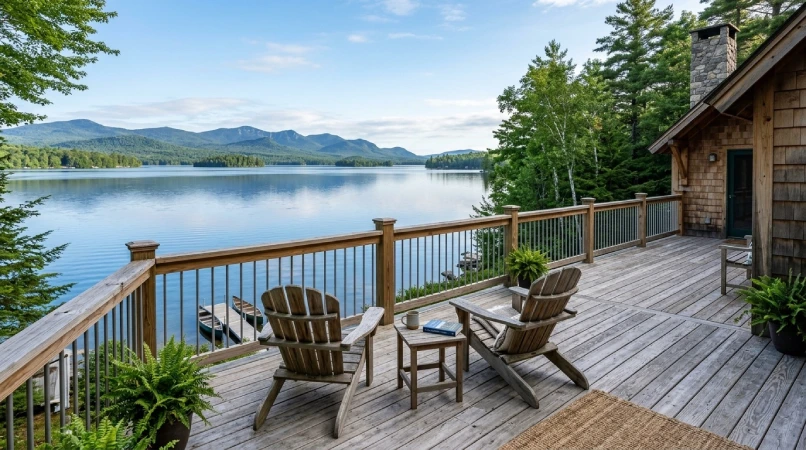
Long before composite existed, pressure-treated decking was simply “a deck.” It remains the most affordable path to a genuinely solid one: southern yellow pine treated to resist rot and insects, costing less installed than composite or PVC meaningfully while delivering real structural strength.
We build pressure-treated decks across New York and New England for homeowners who want to get outside sooner, spend less up front, and are clear-eyed about the maintenance that keeps wood looking right. No spin — here’s the whole picture.
What You Gain and What It Asks of You
What you gain:
- Lowest installed cost of any common decking, by a clear margin
- Genuine strength — still the industry standard for deck framing
- Real wood look and feel — the grain composite spends millions imitating
- Cooler underfoot than composite in direct sun
- Easy, cheap board replacement — swap a damaged board for pocket change

Phone number
+978 601 4092
What it asks of you:
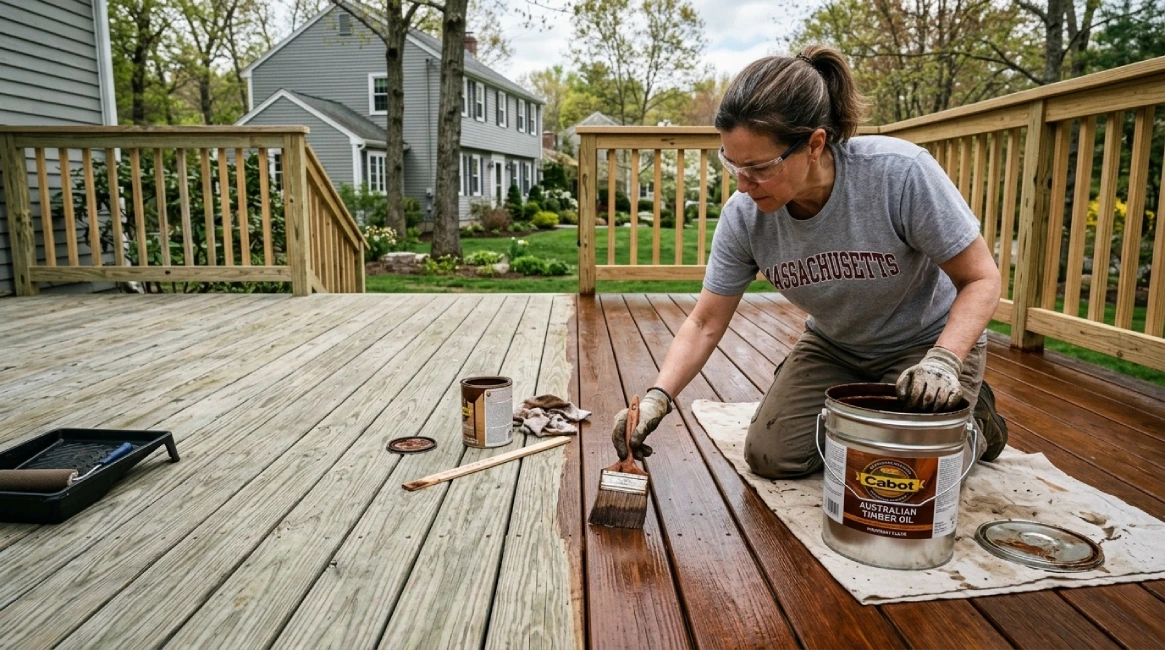
- Staining and sealing every 2–3 years, forever — or it grays, splinters, and degrades
- Shorter lifespan if that maintenance lapses
- Movement — wood cups, checks, and twists as it dries and weathers
- The New England factor: our freeze-thaw cycle is harder on unprotected wood than almost any climate in the country
Phone number
+978 601 4092
The Structural Backbone Beneath Every Deck
Here’s something worth knowing regardless of which surface you choose: nearly every deck we build — composite and PVC included — is framed in pressure-treated lumber underneath. It isn’t just the budget surface option; it’s the structural backbone of the entire industry, engineered for our snow loads and set below the frost line.
So when we talk about pressure-treated, we’re not talking about a lesser material. We’re talking about the material holding up every deck on your street. The question is only whether you want it as your walking surface too.
DRYING & STAINING — The Step Most Installers Skip
Fresh pressure-treated lumber is saturated with moisture from the treatment process. Stain it too soon and you trap that moisture, and the finish fails within a season — the single most common pressure-treated mistake we see.
So we test the wood before recommending a finish schedule: typically a few months to a full season of drying depending on the lumber and your exposure. Then we finish it properly. It’s a small discipline that separates a PT deck looking good at fifteen years from one looking tired at three.
LIFESPAN IN NEW ENGLAND — Real Numbers
- Maintained (stained/sealed every 2–3 years): 15–20+ years, sometimes far longer
- Neglected: gray and splintering in 3–5 years, board replacement starting around 8–10
- The variable is entirely you. We’re not going to pretend otherwise.
South-facing decks weather fastest. Shaded, damp lots face mold pressure instead. Coastal PT decks need stainless hardware like any other material here.
COST — Where It Actually Lands
Pressure-treated is the lowest installed cost of any common decking material — often dramatically below composite. That’s a real, legitimate advantage, and for plenty of homeowners it’s the right call: it gets your family outside this summer instead of two summers from now.
Just budget honestly for the lifetime cost — stain, sealer, and either your weekends or a contractor’s labor, every 2–3 years. Over 20 years, that math often closes the gap with composite. Sometimes it doesn’t. We’ll run it with you.
THE UPGRADE PATH — Start Here, Upgrade Later
One of the smartest plays in decking: build pressure-treated now, resurface to composite later. If the frame is sound — and PT framing built to our standard will be — we can keep the entire structure and replace just the surface and railings down the road.
It costs meaningfully less than a full rebuild and looks brand new. It’s also why building the substructure right matters even on a budget deck: it’s the asset you keep.
·
selected projects
·
selected projects
·
selected projects
·
selected projects
·
selected projects
·
selected projects
·
selected projects
·
selected projects
·
selected projects
·
selected projects
Explore our recent project

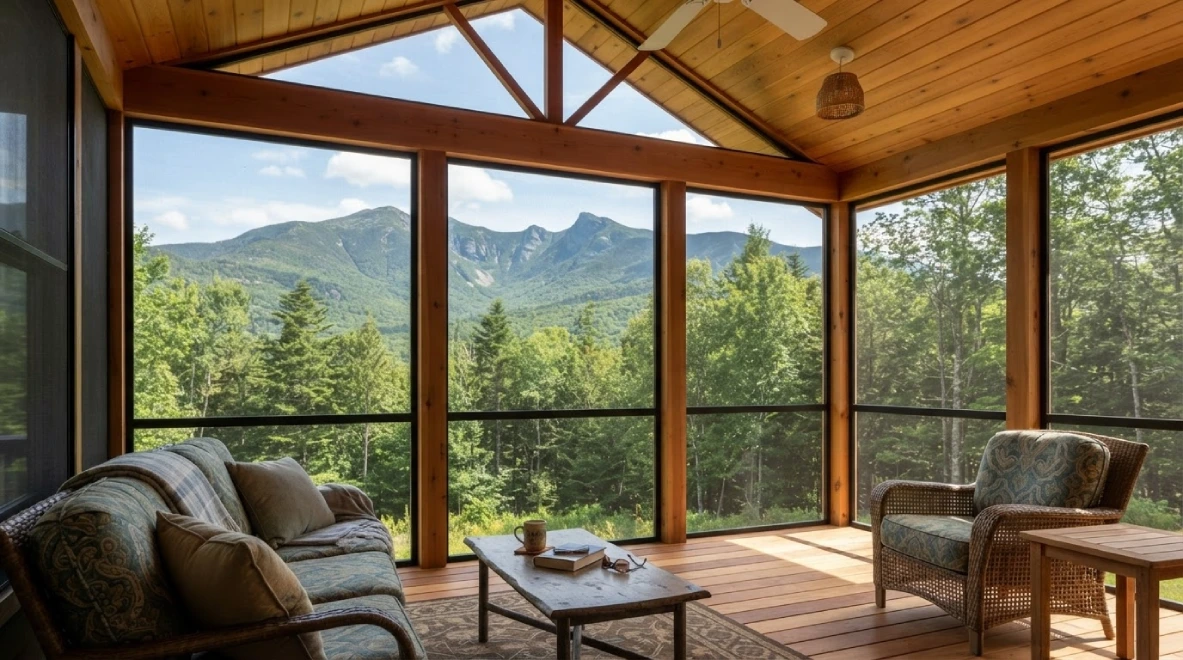
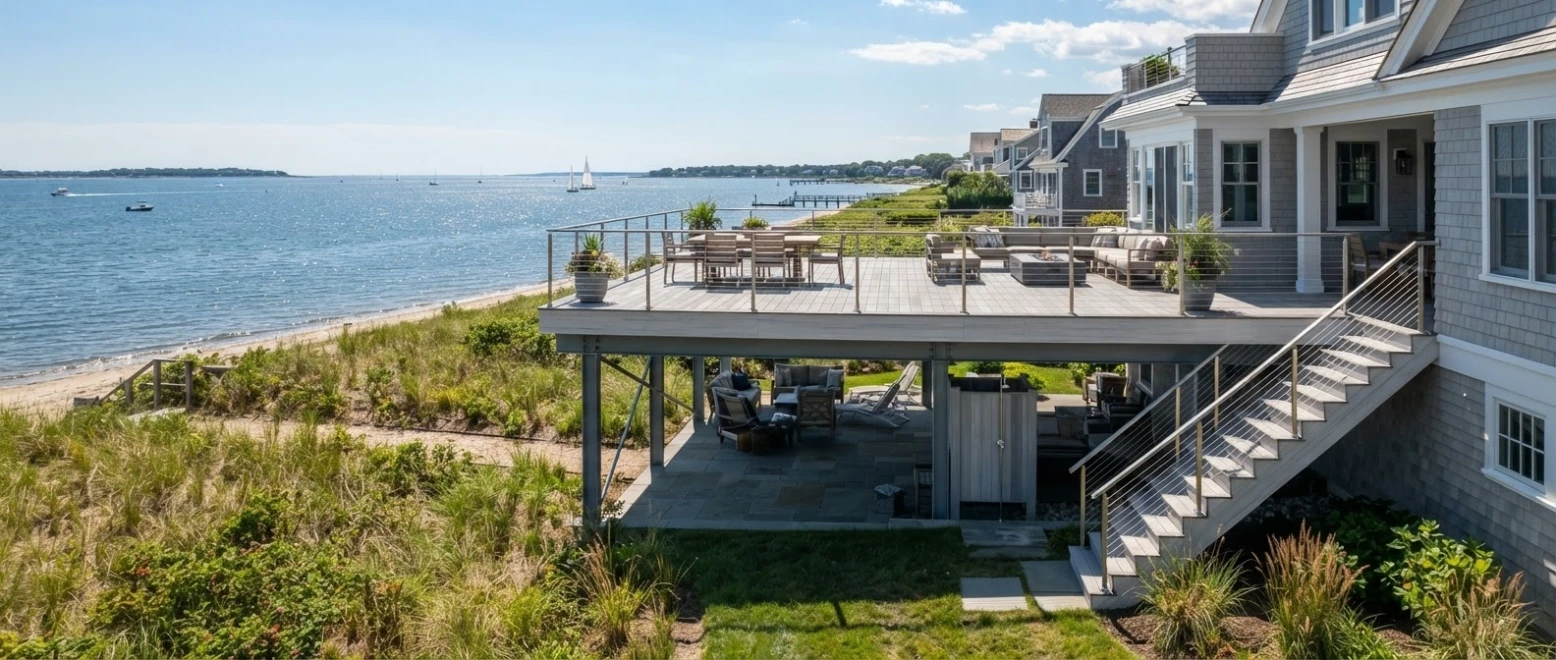
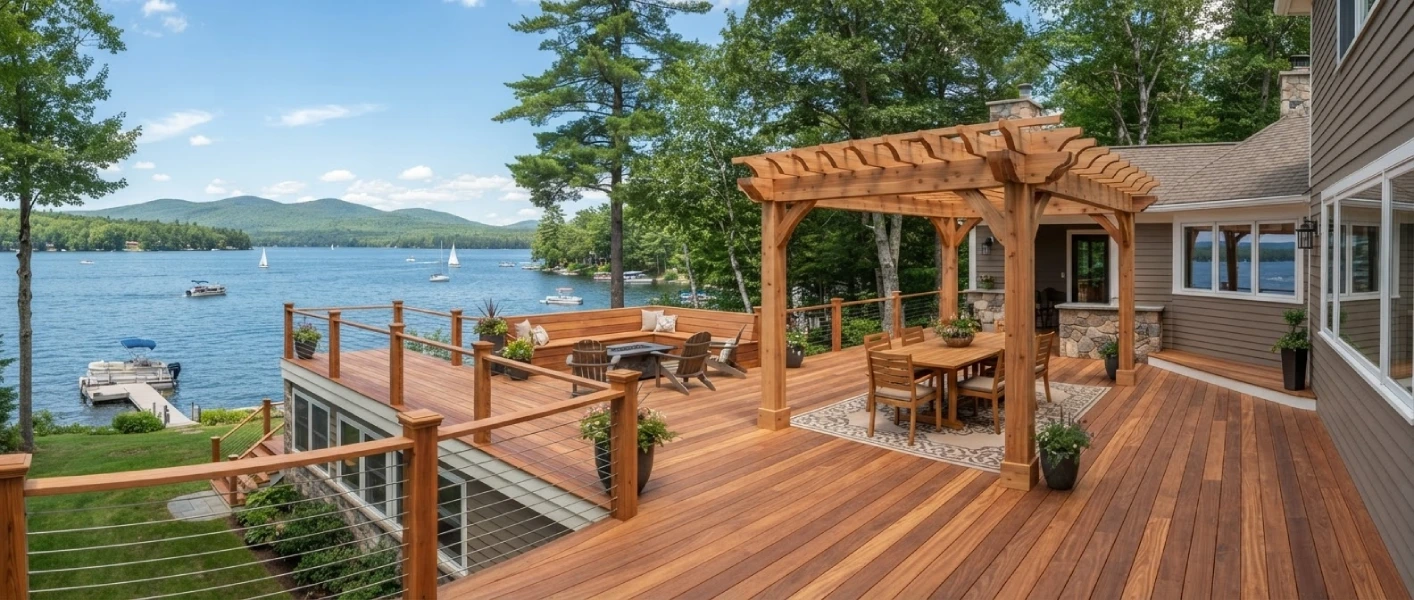
QUICK ENQUIRY
·
QUICK ENQUIRY
·
QUICK ENQUIRY
·
QUICK ENQUIRY
·
QUICK ENQUIRY
·
QUICK ENQUIRY
·
QUICK ENQUIRY
·
QUICK ENQUIRY
·
QUICK ENQUIRY
·
QUICK ENQUIRY
·
We’d love to hear from you
Phone number
+978 601 4092
We’d love to share more with you, please complete this form and our dedicated team will get back to you shortly.
Service Areas
Where We Build
Local crews across New York & New England — find your team and direct line, or enter your ZIP.
Massachusetts & New York
Tinos Inc.
Greater Boston, MetroWest, Cape Cod, Westchester, Hudson Valley & Long Island.
(617) 231-9842MANY
Connecticut, Rhode Island, Vermont & New Hampshire
Hartford, Providence, Newport, Burlington, Manchester, the Seacoast & beyond.
(978) 601-4092CTRIVTNH
ZIP Lookup
Enter your ZIP, meet your team
Your local team & direct number appear instantly.
FAQ — Pressure-Treated Decking
How long does pressure-treated decking last in New England?
With staining and sealing every 2–3 years, 15–20 years or more. Without that maintenance, expect graying and splintering within 3–5 years and board replacement starting around year 8–10. Our freeze-thaw climate is unusually hard on unprotected wood.
Is pressure-treated wood safe?
Yes. Modern pressure-treated lumber uses copper-based preservatives — not the arsenic-based chemicals phased out of residential use decades ago — and is standard, code-approved decking and framing material nationwide.
Do I need to stain a new pressure-treated deck right away?
No — new lumber is saturated from the treatment process and needs to dry first, typically a few months to a season. Staining too early traps moisture and the finish fails within a year. We test the wood and tell you exactly when it’s ready.
Can I upgrade from pressure-treated to composite later?
Yes, and it’s a smart strategy. If the frame is sound, we keep the entire structure and replace only the surface and railings — a “resurface” that costs far less than a full rebuild. Build the substructure right and it becomes an asset you keep.
Is pressure-treated wood used under composite decks too?
Almost always. Nearly every deck we build — composite and PVC included — is framed in pressure-treated lumber, sized for New England snow load and set below the frost line. It’s the structural backbone of the industry, not just a budget surface.
Why does my pressure-treated deck look gray?
UV oxidation. The gray is typically a thin oxidized surface layer sitting on sound wood, not rot — which means it can usually be cleaned, brightened, and refinished back to near-original. See deck staining & refinishing.
·
Articles & insights
·
Articles & insights
·
Articles & insights
·
Articles & insights
·
Articles & insights
·
Articles & insights
·
Articles & insights
·
Articles & insights
·
Articles & insights
·
Articles & insights