Cedar Decking — Real Wood, Real Character
Composite spends millions imitating this. Western Red Cedar gives you the warmth, grain, and cool-underfoot feel no polymer fully replicates — and we finish it to survive a New England winter.
DECKS US
·
Decks US
·
DECKS US
·
Decks US
·
DECKS US
·
Decks US
·
DECKS US
·
Decks US
·
DECKS US
·
Decks US
·
The Wood the Whole Industry Still Imitates
Look at any composite ad and you’ll see the same promise: “the look of real wood.” Cedar decking is the reason that promise exists. Natural grain. Warm, reddish tone. A texture underfoot no synthetic board matches — and a surface that stays meaningfully cooler in direct July sun than composite or PVC.
Western Red Cedar has been the natural-wood choice for New England decks for generations, prized for a straight, tight grain and a natural resistance to rot and insects that comes built into the wood itself. We install cedar across New York and New England for homeowners who want the real material — and this page tells you exactly what that costs you in upkeep, because anyone who doesn’t isn’t being straight.
Why Cedar Still Wins — For the Right Homeowner
- The look nothing synthetic replicates
— genuine grain variation, knots, tonal shift board to board
- Naturally rot- and insect-resistant
— the resistance is in the wood, not a coating
- Cooler underfoot
— noticeably cooler than composite in direct sun
- Lightweight and workable
— beautiful for curves, custom details, and trim
- Repairable
— sand out a scratch or scuff; you cannot sand a composite board
- Ages with character
— sealed, it develops a warm patina rather than simply fading
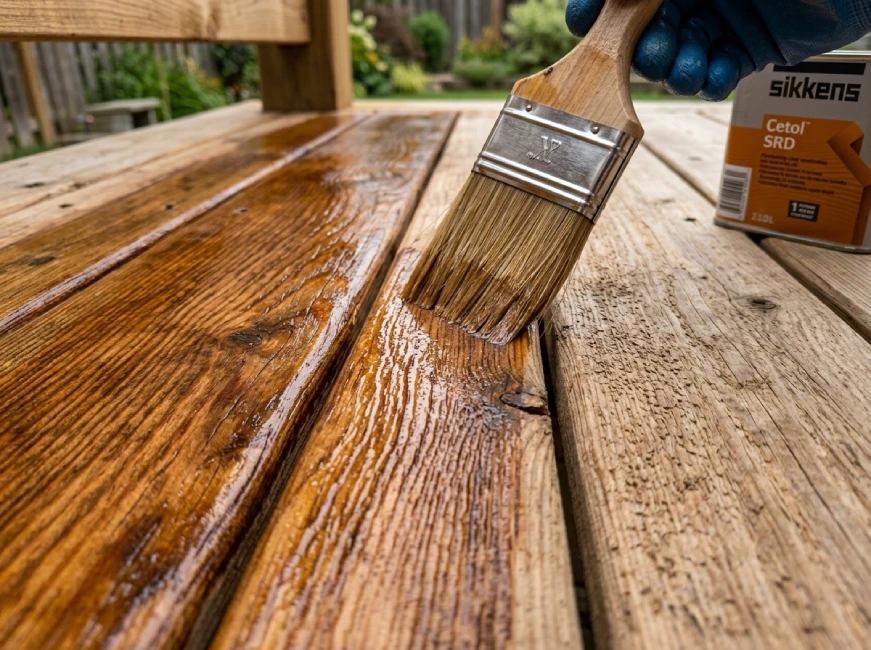
The Upkeep, Told Straight
Cedar needs sealing to hold its color and resist New England’s freeze-thaw — roughly every 2–3 years, sooner on south-facing decks. Skip it and cedar weathers to gray, and in our climate unsealed cedar eventually invites moisture damage (unlike a dense hardwood, which silvers gracefully and stays sound).
That’s the honest trade: cedar asks for a maintenance rhythm, and in return gives you a deck that looks and feels like nothing synthetic can. For the right homeowner that’s a bargain. For someone who resents a weekend with a brush, composite is the smarter buy — and we install that too.

Phone number
+978 601 4092
Where Cedar Belongs in New England
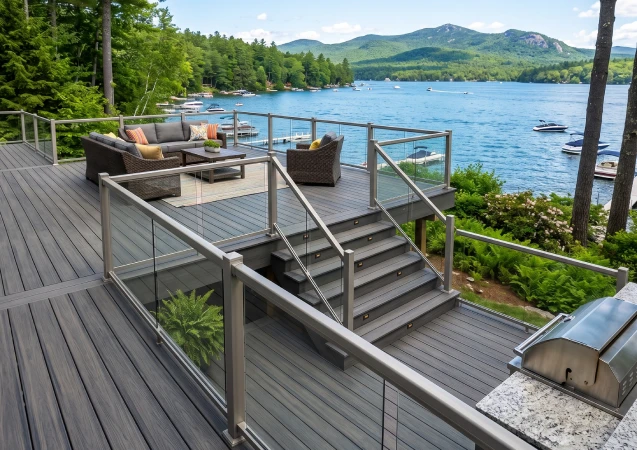
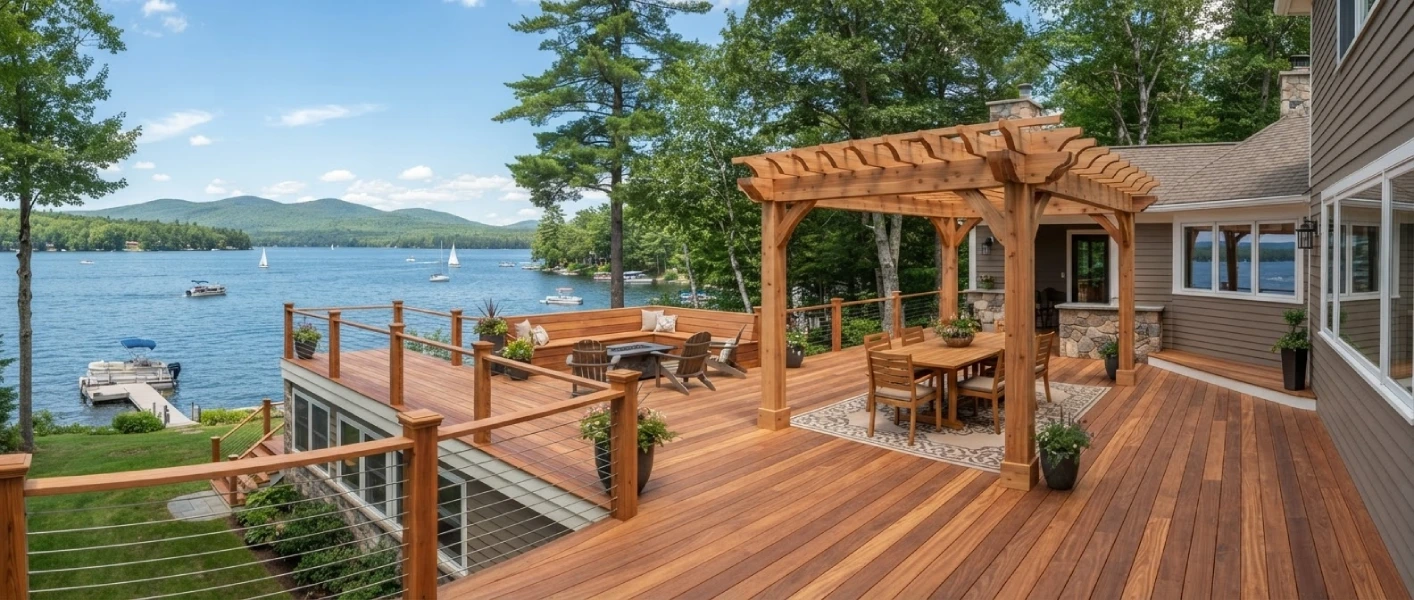
- Lakeside (Winnipesaukee, Champlain, the Berkshires)
— cedar among pines is simply right; composite reads wrong in that setting
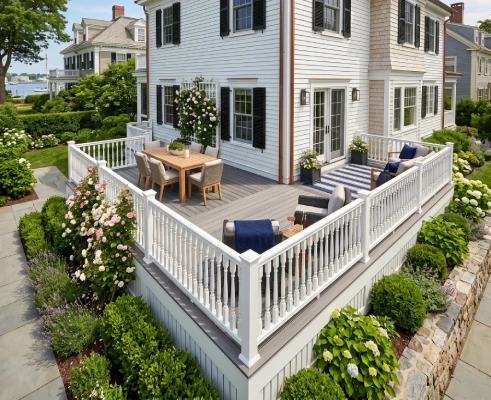
- Historic and traditional homes
— Concord, Newport, Litchfield: real wood is architecturally honest where composite is a compromise
- Wooded, shaded lots
— cedar’s natural rot resistance earns its keep (ventilation matters)
- Full-sun decks
— cedar’s cooler surface is a genuine barefoot advantage
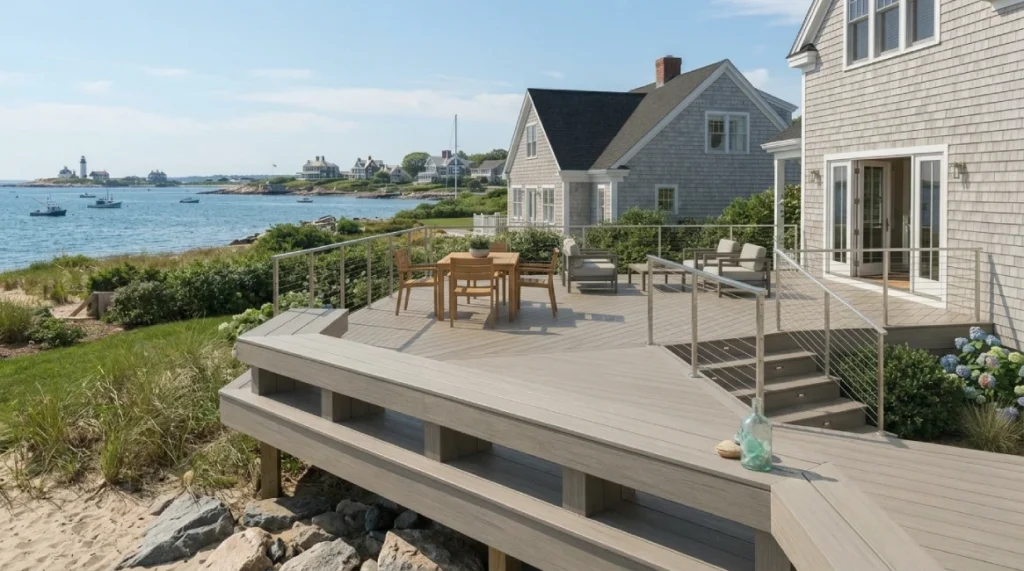
- Coastal
— honestly, usually not our first pick. Salt air + softwood + our winters is demanding; we’ll often steer shoreline homes to capped PVC instead. We’d rather tell you that than sell you a deck that disappoints.
Cedar vs. Composite — The Straight Comparison
Western Red Cedar
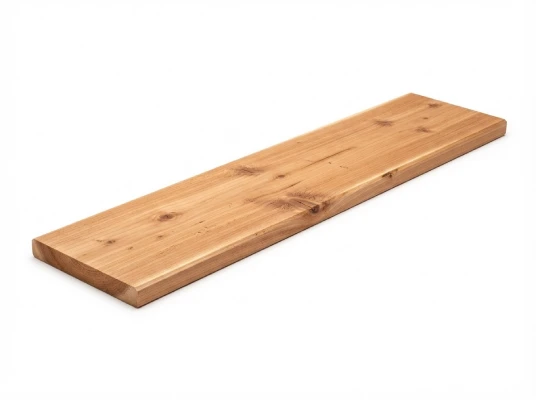
Look & feel: Real grain, warm, natural
Maintenance: Seal every 2–3 yrs
Underfoot heat: Cooler
Lifespan: 20–30 yrs (maintained)
Repairable: Yes — sandable
Cost (installed): Mid-range
Best for: Wanting the real material
Capped Composite
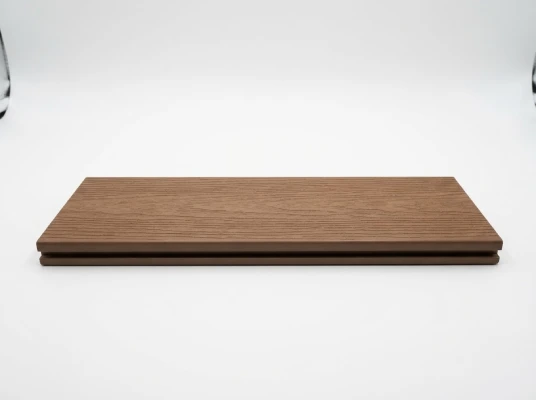
Look & feel: Wood-like, uniform
Maintenance: Wash only
Underfoot heat: Warmer
Lifespan: 25–30+ yrs
Repairable: Replace the board
Cost (installed): Mid-to-upper
Best for: Wanting low maintenance
Finishing — For New England, Not the Showroom
Proper drying time before the first seal. Penetrating finishes matched to your deck’s sun exposure. Application timed to a genuine dry-weather window at the right temperature — because stain on damp or cold wood fails in a season regardless of cost. Then a realistic maintenance schedule built around your calendar.
Cost
Cedar lands mid-range installed — above pressure-treated, below composite — plus sealing every few years. You’re paying for a material that looks and feels like nothing else, and accepting a maintenance rhythm in exchange.
·
selected projects
·
selected projects
·
selected projects
·
selected projects
·
selected projects
·
selected projects
·
selected projects
·
selected projects
·
selected projects
·
selected projects
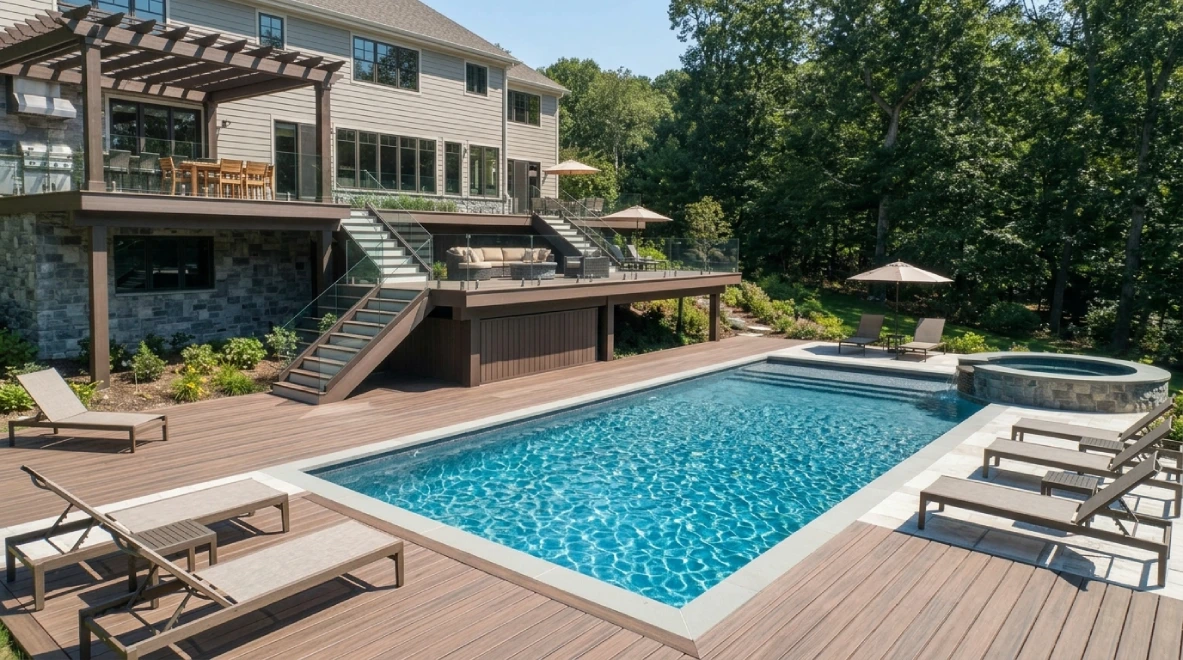
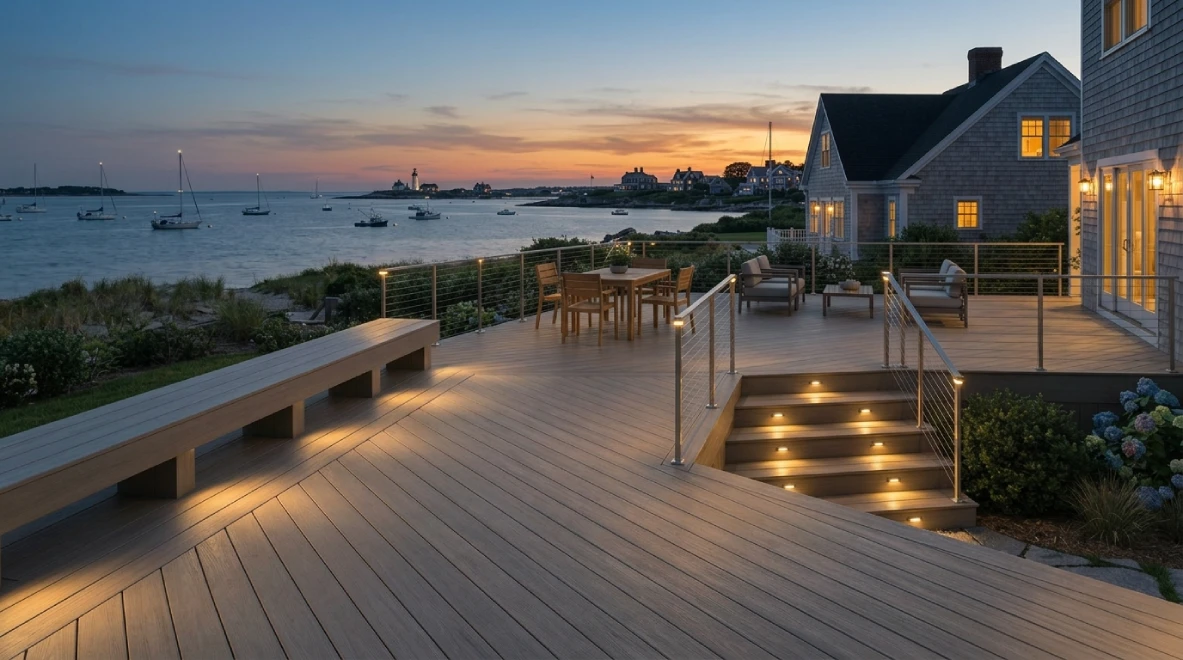
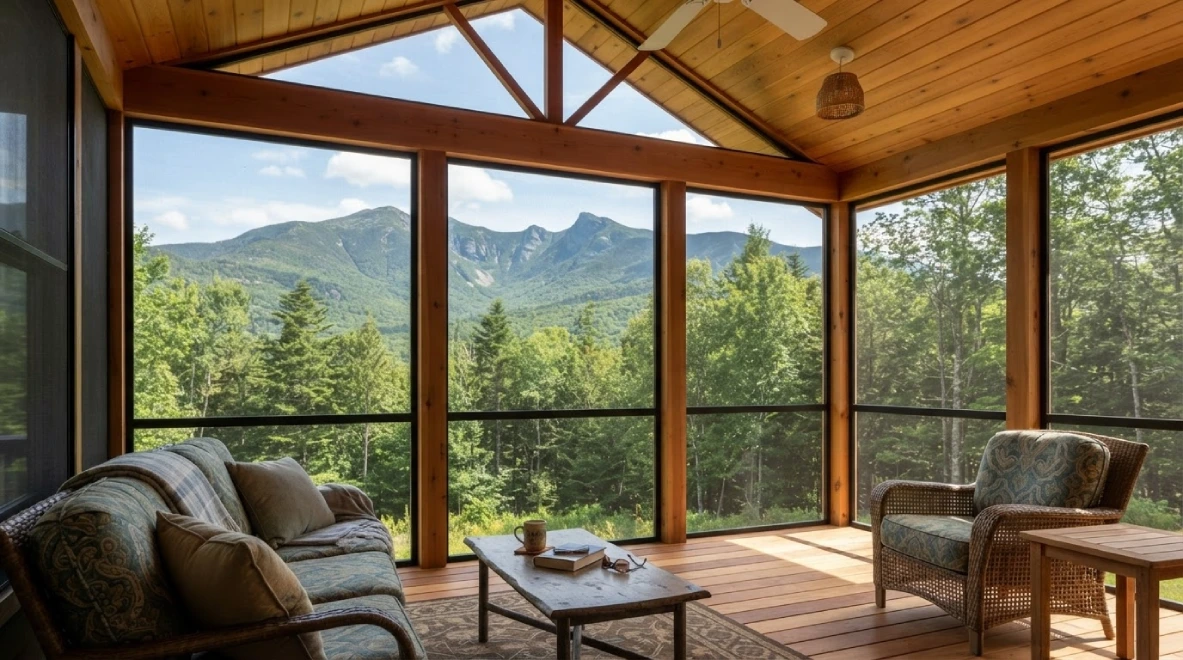
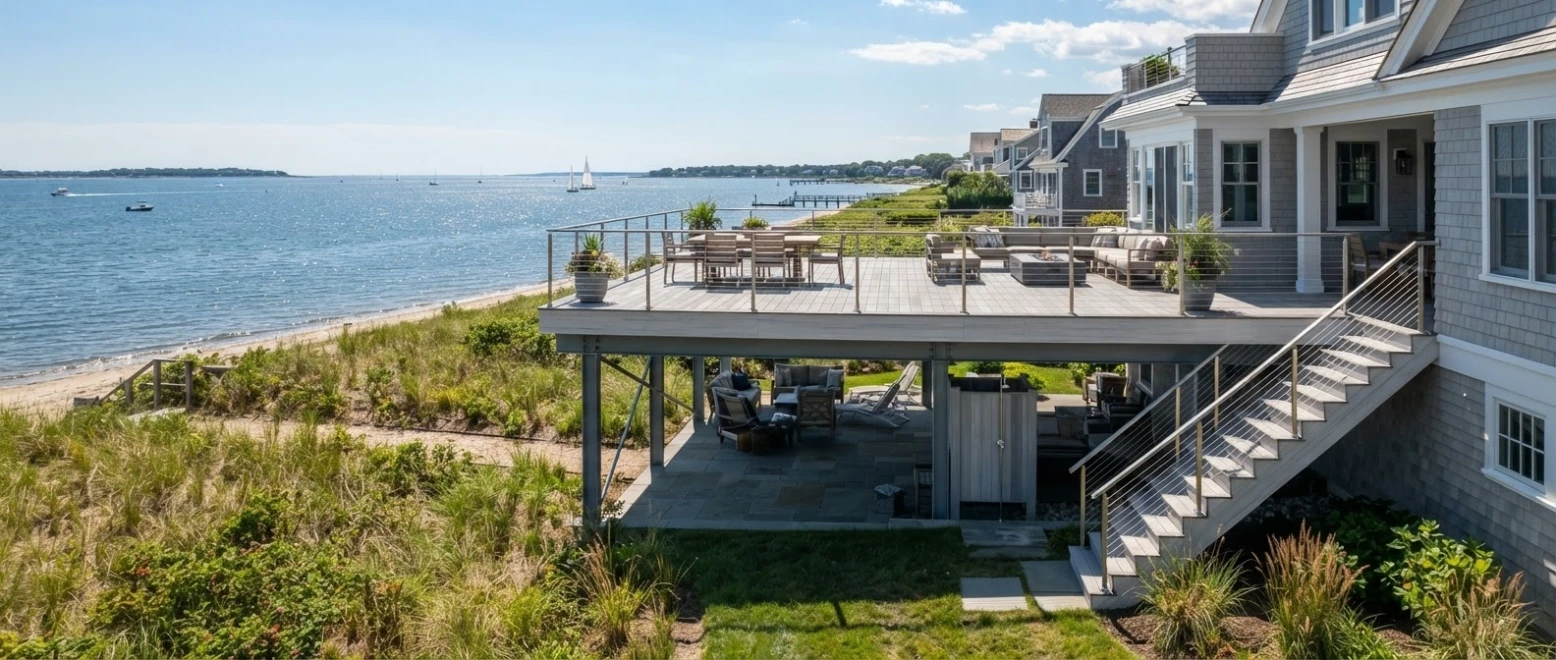
Explore our recent project

QUICK ENQUIRY
·
QUICK ENQUIRY
·
QUICK ENQUIRY
·
QUICK ENQUIRY
·
QUICK ENQUIRY
·
QUICK ENQUIRY
·
QUICK ENQUIRY
·
QUICK ENQUIRY
·
QUICK ENQUIRY
·
QUICK ENQUIRY
·
We’d love to hear from you
Phone number
+978 601 4092
We’d love to share more with you, please complete this form and our dedicated team will get back to you shortly.
Service Areas
Where We Build
Local crews across New York & New England — find your team and direct line, or enter your ZIP.
Massachusetts & New York
Tinos Inc.
Greater Boston, MetroWest, Cape Cod, Westchester, Hudson Valley & Long Island.
(617) 231-9842MANY
Connecticut, Rhode Island, Vermont & New Hampshire
Hartford, Providence, Newport, Burlington, Manchester, the Seacoast & beyond.
(978) 601-4092CTRIVTNH
ZIP Lookup
Enter your ZIP, meet your team
Your local team & direct number appear instantly.
FAQ — Cedar Decking
Is cedar decking better than composite?
It depends what you want. Cedar offers natural grain, a cooler surface underfoot, real repairability, and character composite can’t fully replicate — and it’s naturally rot- and insect-resistant. Composite offers far lower maintenance. Many clients choose cedar precisely because they want the real material and accept the sealing it asks for.
How often does a cedar deck need to be sealed?
Roughly every 2–3 years, depending on sun exposure — south-facing decks sooner. The simplest test: when water stops beading on the surface and starts soaking in, it’s time to reseal.
Will my cedar deck turn gray?
Unsealed, yes — UV oxidizes the surface to silver-gray. Sealing every 2–3 years holds cedar’s warm tone. Unlike a dense hardwood that silvers gracefully and stays sound, unsealed cedar in New England eventually invites moisture damage, so we recommend keeping it sealed.
Does cedar decking stay cooler than composite?
Yes, generally — real wood runs noticeably cooler underfoot than composite or PVC in direct sun. If your deck gets full afternoon exposure and you’re barefoot on it, that’s a real advantage.
Is cedar a good choice for a coastal deck?
Usually not our first recommendation. Salt air combined with softwood and New England freeze-thaw is demanding. For shoreline properties we typically recommend capped PVC with T316 stainless hardware instead — we’d rather tell you that than build a deck that disappoints.
Can a cedar deck be repaired?
Yes — and it’s a real advantage over composite. Scratches, scuffs, and weathering can be sanded and refinished, where a damaged composite board can only be replaced.
·
Articles & insights
·
Articles & insights
·
Articles & insights
·
Articles & insights
·
Articles & insights
·
Articles & insights
·
Articles & insights
·
Articles & insights
·
Articles & insights
·
Articles & insights