Aluminum Deck Railing — Modern Lines, Zero Maintenance
The most-requested railing we install, and for good reason. Powder-coated aluminum never rusts, never rots, never needs painting — and matte black works with virtually every house color and deck tone on the market.
DECKS US
·
Decks US
·
DECKS US
·
Decks US
·
DECKS US
·
Decks US
·
DECKS US
·
Decks US
·
DECKS US
·
Decks US
·
The Most-Requested Railing in New England Right Now
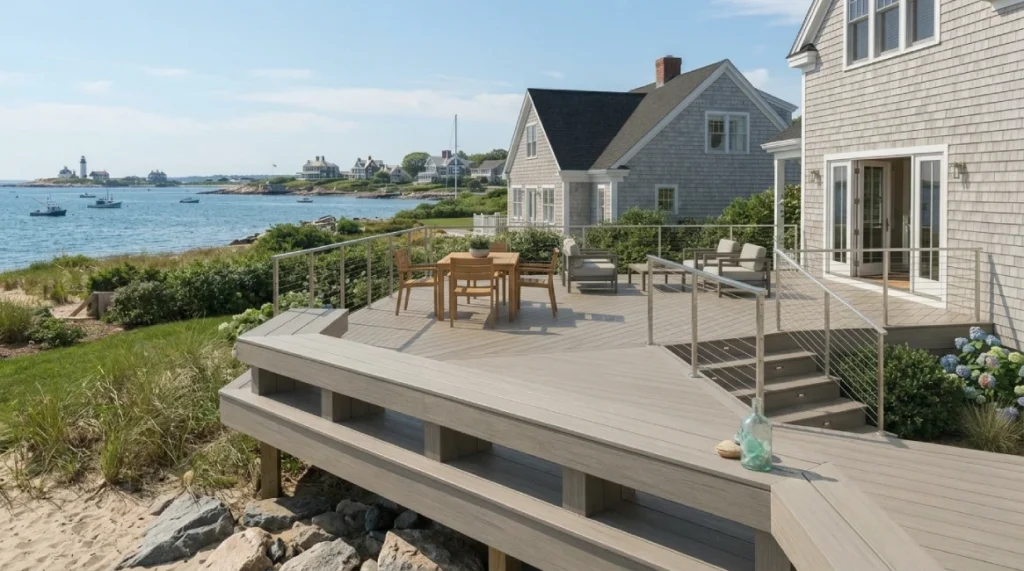
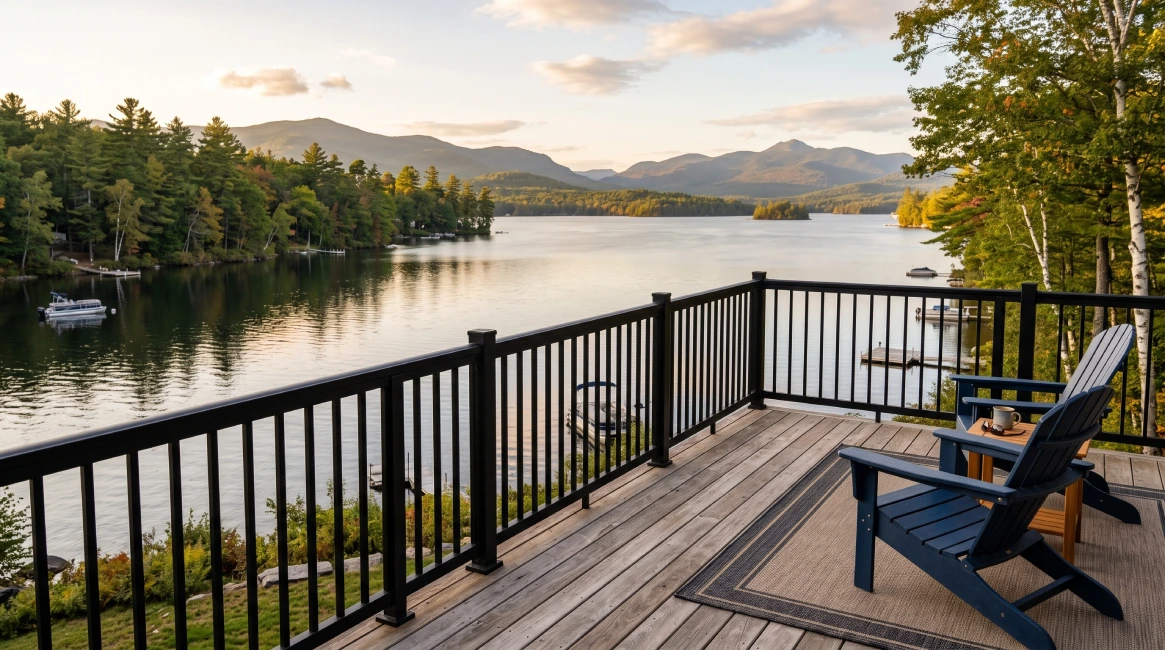
If you’ve looked at deck photos in the last two years, you’ve seen it: slim aluminum deck railing in matte black, framing the deck without dominating it. It has become the default modern choice for a simple reason — it solves the three problems wood railing creates. It doesn’t rot. It doesn’t need scraping and repainting every few seasons. And its slim profile opens up the view instead of blocking it with chunky balusters.
Decks US installs aluminum railing across New York and New England on new decks and as an upgrade to existing ones. It sits in the sweet spot of the railing market: substantially better-looking and lower-maintenance than wood, meaningfully less expensive than cable or glass.
Why Aluminum Wins for Most Homeowners
- Never rusts
— aluminum doesn’t corrode the way iron and steel do, which matters enormously in our climate
- Never needs painting
— factory powder-coating holds its finish for decades
- Slim, strong profile
— thinner balusters than wood means more view, same code compliance
- Lightweight but rigid
— easier on your deck’s structure than heavy alternatives
- Works with every deck material
— composite, PVC, cedar, pressure-treated
- Wide color range
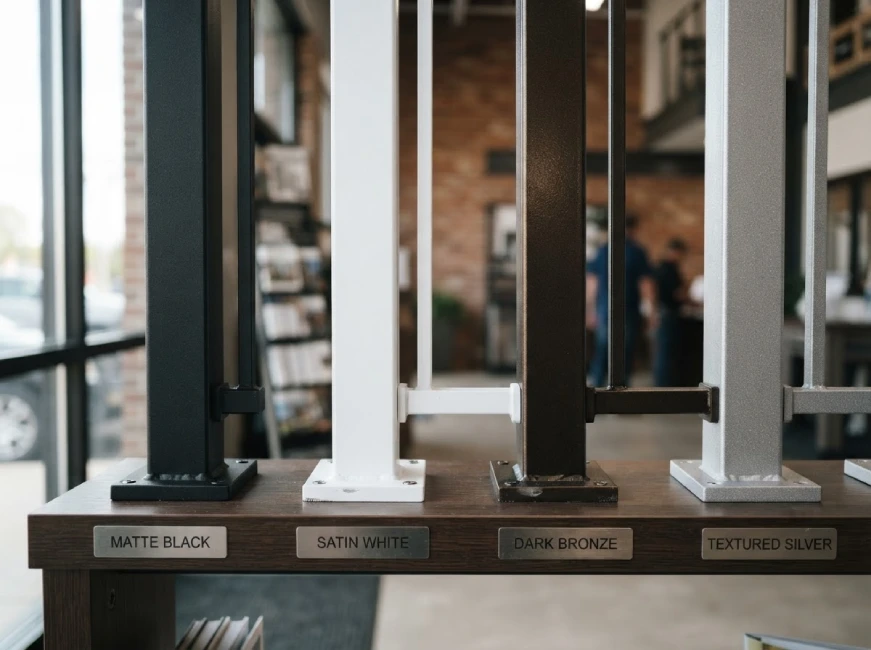
— most systems offer a dozen-plus powder-coated colors, smooth or textured
- Excellent value
— mid-range cost with premium appearance
Colors & Style — Why Matte Black Took Over
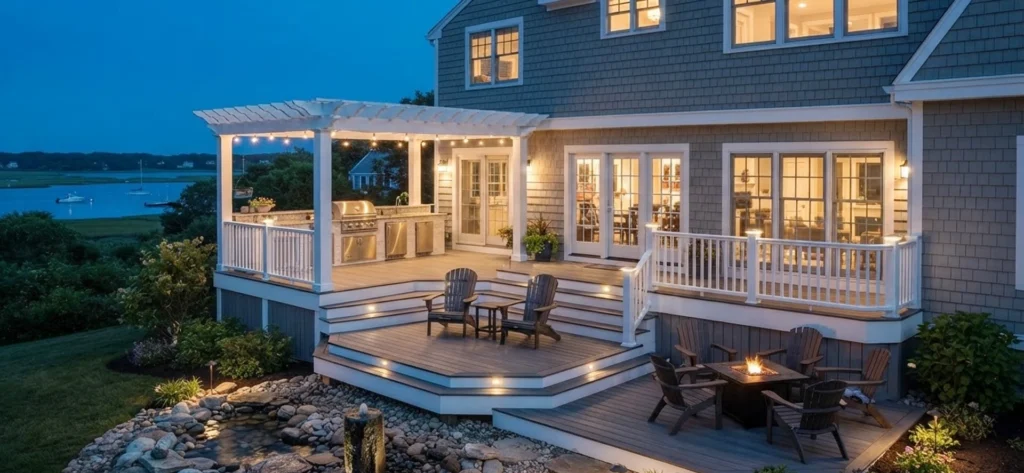
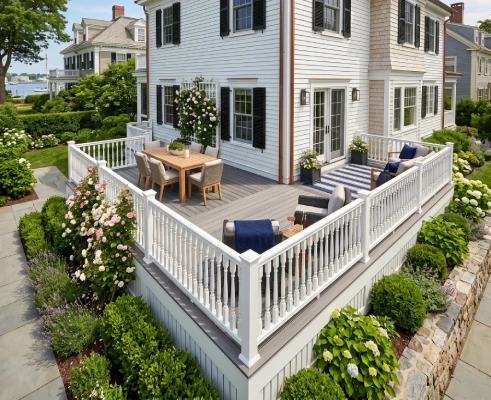
Matte black is the runaway favorite in 2026, and it’s not just fashion: black recedes visually, so the railing reads as a frame rather than a wall, and it coordinates with nearly any deck color and any window trim. Bronze and textured finishes are the second most-requested, especially on traditional and shingle-style New England homes. White remains right for classic colonials and farmhouse porches.
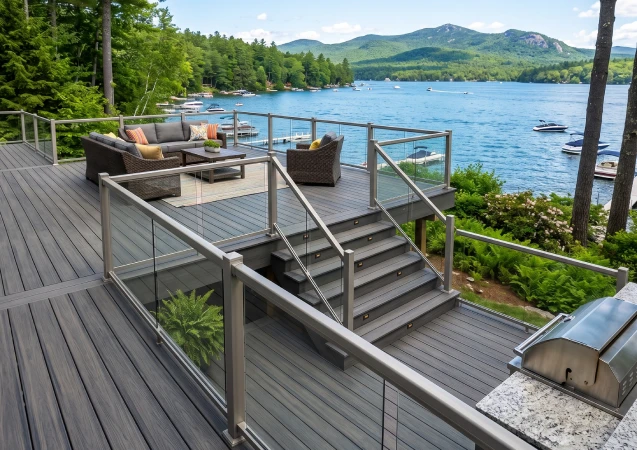
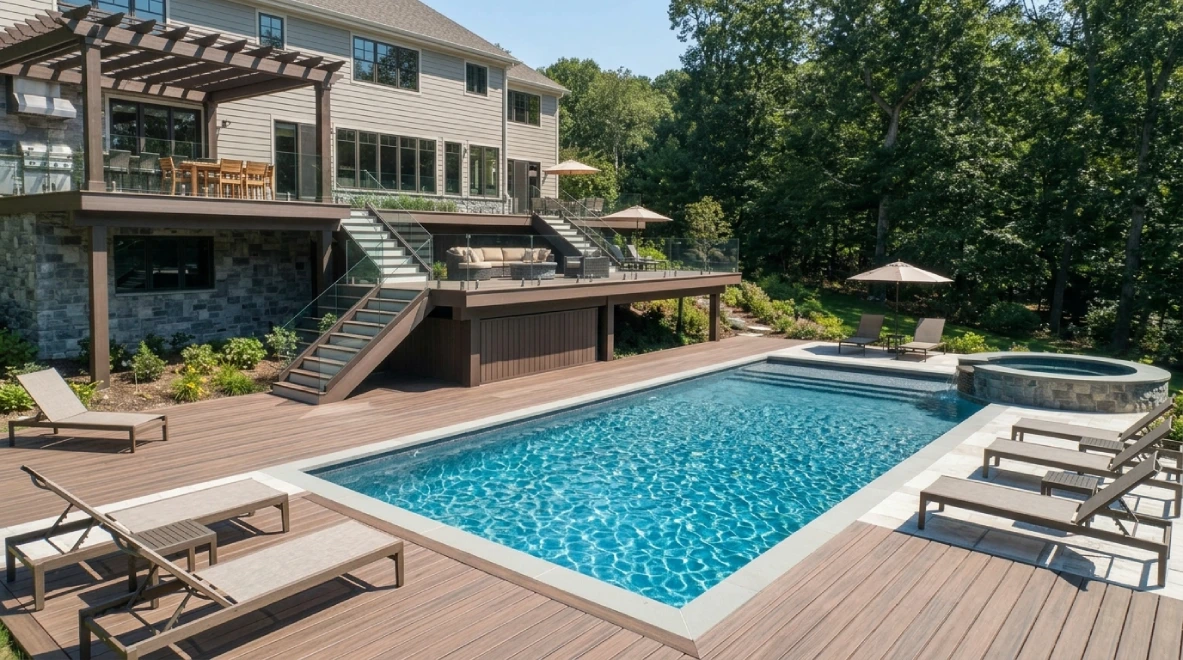
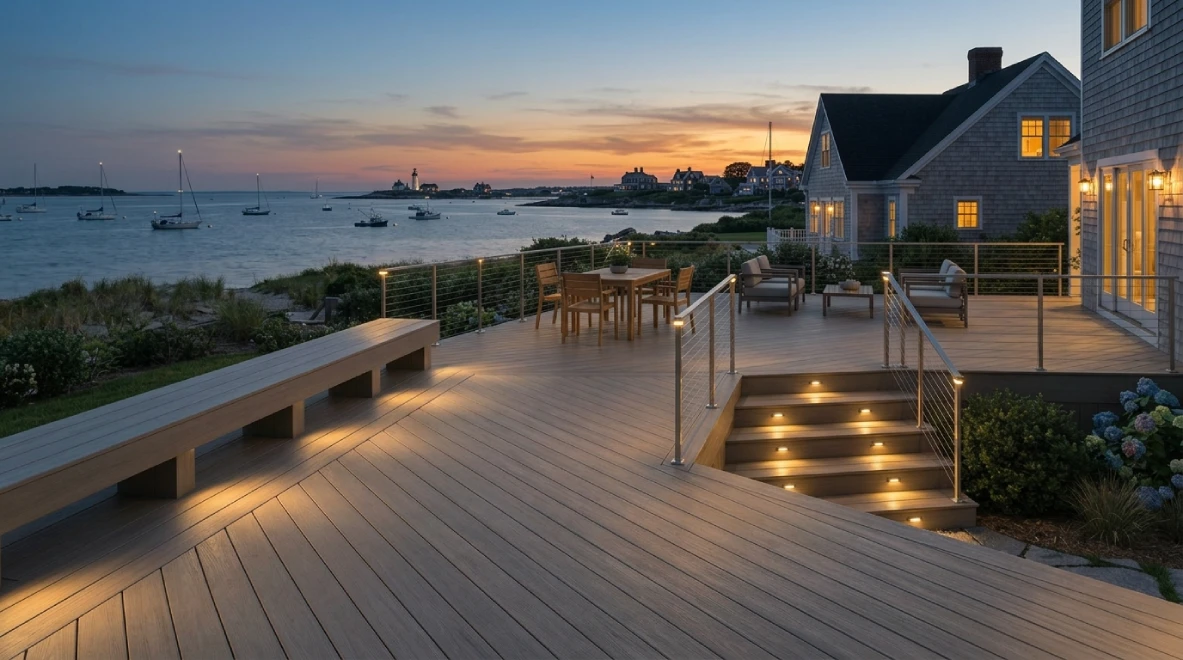
The 2026 mixed-material trend: we’re increasingly asked to pair aluminum posts and frames with other infills — aluminum with cable, aluminum with glass panels, or aluminum framing under a warm wood or composite top rail. The rule that makes it work: stick to two or three complementary tones and let texture do the rest.

Phone number
+978 601 4092
Coastal Performance — The Honest Version
Aluminum’s biggest structural advantage on the coast is that it doesn’t rust. But here’s the nuance most sites skip: the fasteners and brackets can still corrode even when the aluminum can’t. Within roughly five miles of the ocean — the Cape, South Shore, Narragansett, the CT shoreline — we spec stainless hardware with every aluminum system, and we choose powder-coat finishes rated for salt exposure. Salt film also builds up on any finish near the water; a rinse a couple of times a season keeps it looking new.
Phone number
+978 601 4092
Code & Safety
Railing is a safety barrier before it’s a design element, and inspectors treat it that way. Residential deck railing is generally required once a deck sits more than 30 inches above grade, typically built 36–42 inches tall, with infill gaps under 4 inches so a small child can’t pass through. Aluminum systems are engineered and tested to meet these load and spacing requirements — but only when installed with the manufacturer’s specified posts, brackets, and spacing. We build to your town’s code and handle the permit and inspection.
Installation — Where Aluminum Railing Succeeds or Fails
A railing isn’t a material, it’s a system — posts, top rail, infill, connectors, mounts, and spacing all engineered to work together. The most common failure we’re called to fix is a railing whose posts and fittings weren’t designed for the same loads: it looks right in a photo and moves when you lean on it. We install complete manufacturer systems, anchored to blocked and reinforced framing, with post spacing to spec — and on coastal jobs, stainless hardware throughout.
Cost
Aluminum sits mid-range in installed railing cost — above wood and composite, well below cable and glass. Given it never needs painting or replacing, it’s usually the best cost-per-decade in the category.
·
selected projects
·
selected projects
·
selected projects
·
selected projects
·
selected projects
·
selected projects
·
selected projects
·
selected projects
·
selected projects
·
selected projects
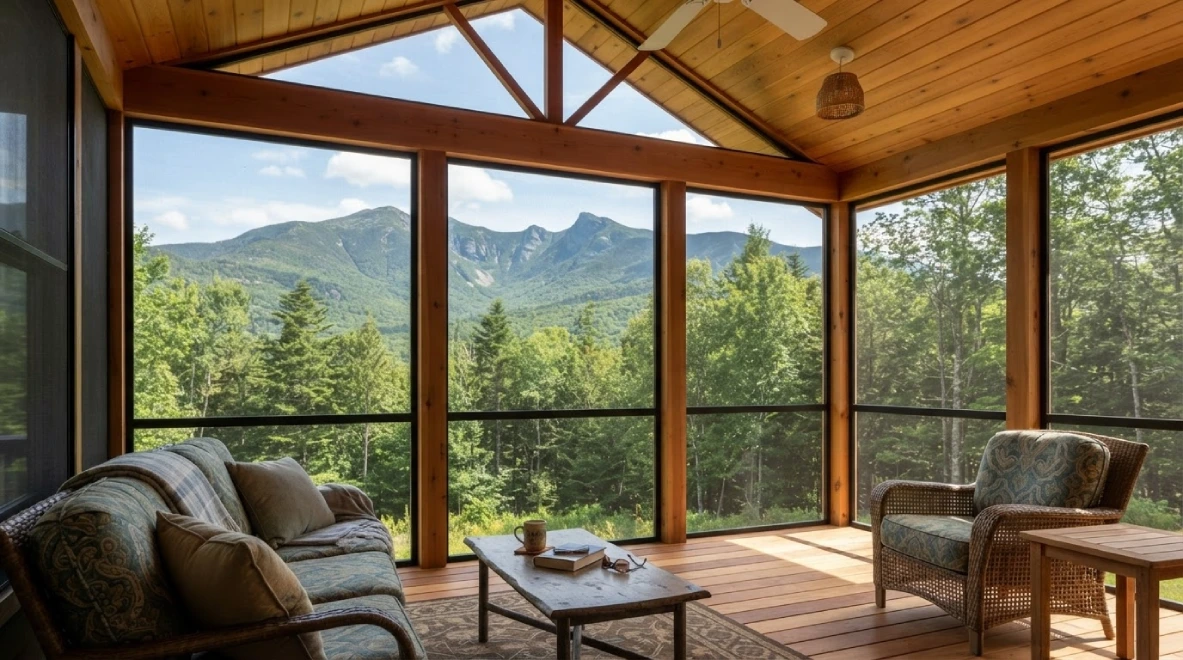
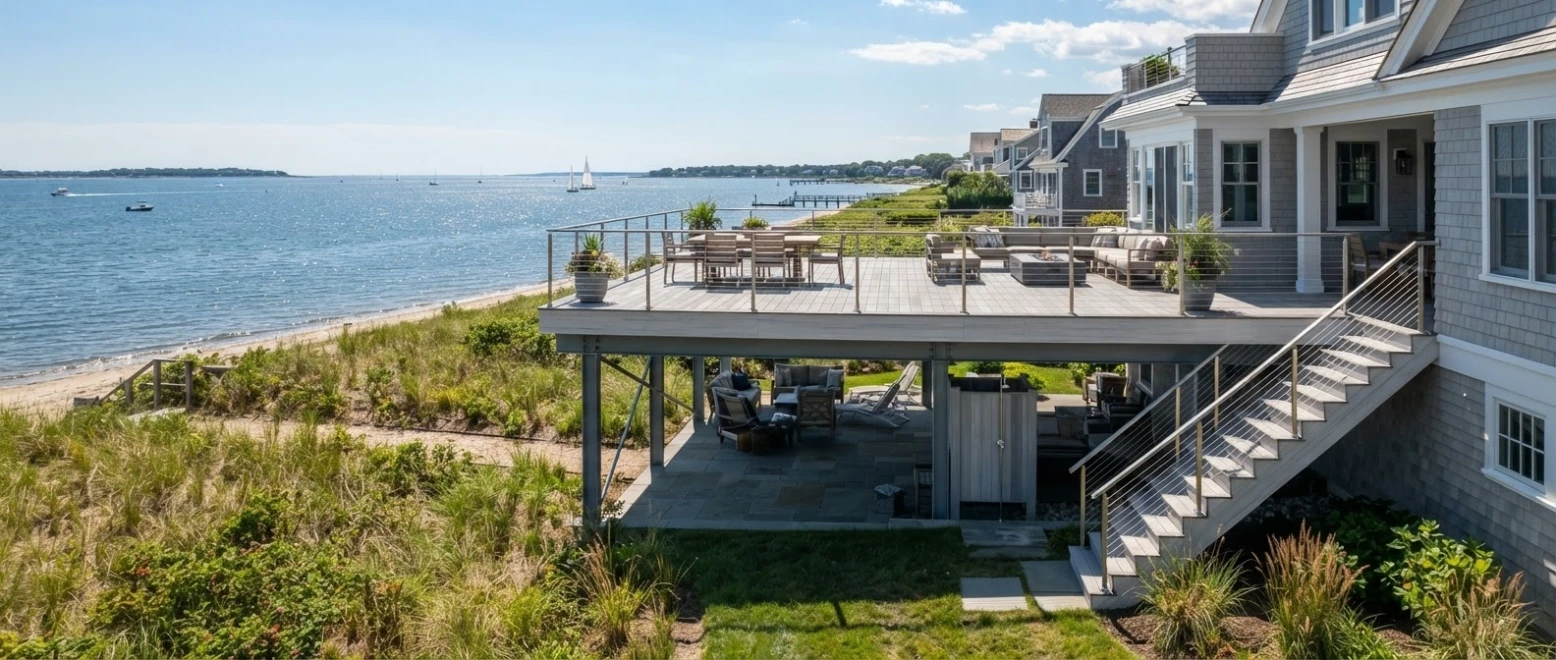
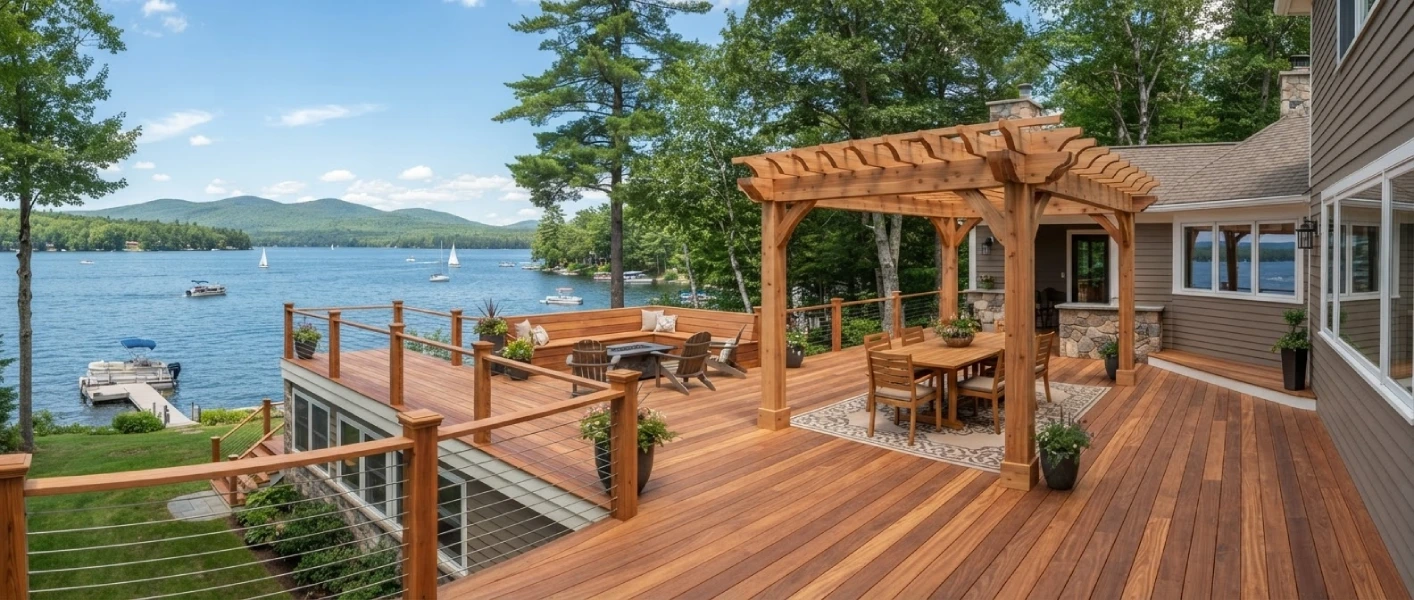
Explore our recent project

QUICK ENQUIRY
·
QUICK ENQUIRY
·
QUICK ENQUIRY
·
QUICK ENQUIRY
·
QUICK ENQUIRY
·
QUICK ENQUIRY
·
QUICK ENQUIRY
·
QUICK ENQUIRY
·
QUICK ENQUIRY
·
QUICK ENQUIRY
·
We’d love to hear from you
Phone number
+978 601 4092
We’d love to share more with you, please complete this form and our dedicated team will get back to you shortly.
Service Areas
Where We Build
Local crews across New York & New England — find your team and direct line, or enter your ZIP.
Massachusetts & New York
Tinos Inc.
Greater Boston, MetroWest, Cape Cod, Westchester, Hudson Valley & Long Island.
(617) 231-9842MANY
Connecticut, Rhode Island, Vermont & New Hampshire
Hartford, Providence, Newport, Burlington, Manchester, the Seacoast & beyond.
(978) 601-4092CTRIVTNH
ZIP Lookup
Enter your ZIP, meet your team
Your local team & direct number appear instantly.
FAQ — Aluminum Deck Railing
Does aluminum deck railing rust?
No. Aluminum doesn’t rust the way iron or steel does, which is why it performs so well in New England’s wet winters and near the coast. The fasteners and brackets are the vulnerable part — within about five miles of salt water we specify stainless hardware with every aluminum system.
How long does aluminum deck railing last?
Decades. A quality powder-coated aluminum system typically outlasts the deck surface it’s attached to, and it holds its finish without painting, staining, or sealing.
Is aluminum railing more expensive than wood?
Up front, yes — aluminum costs more installed than wood railing. Over time it’s usually cheaper, because wood railing needs scraping, staining, or repainting every few years and eventually needs replacing, while aluminum needs neither.
What color aluminum railing should I choose?
Matte black is the most popular choice in 2026 because it recedes visually and coordinates with almost any deck color and window trim. Bronze and textured finishes suit traditional New England homes; white fits classic colonials and farmhouse porches.
Is cedar a good choice for a coastal deck?
Usually not our first recommendation. Salt air combined with softwood and New England freeze-thaw is demanding. For shoreline properties we typically recommend capped PVC with T316 stainless hardware instead — we’d rather tell you that than build a deck that disappoints.
Can aluminum railing be combined with cable or glass?
Yes — and it’s one of the fastest-growing requests we get. Aluminum posts and frames with stainless cable or tempered glass infill gives you aluminum’s durability with an even more open view. We build all three combinations.
·
Articles & insights
·
Articles & insights
·
Articles & insights
·
Articles & insights
·
Articles & insights
·
Articles & insights
·
Articles & insights
·
Articles & insights
·
Articles & insights
·
Articles & insights