Composite Deck Railing — Built to Match, Built to Last
The same warmth and color as your composite deck, in a railing that never needs painting or staining. When you want the whole deck to read as one finished piece, this is how you get it.
DECKS US
·
Decks US
·
DECKS US
·
Decks US
·
DECKS US
·
Decks US
·
DECKS US
·
Decks US
·
DECKS US
·
Decks US
·
One Deck, One Look, Zero Mismatch
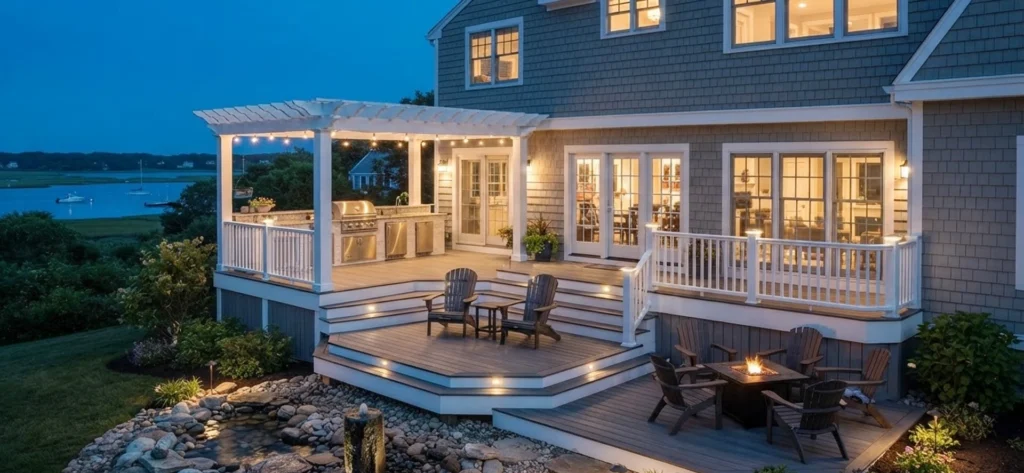
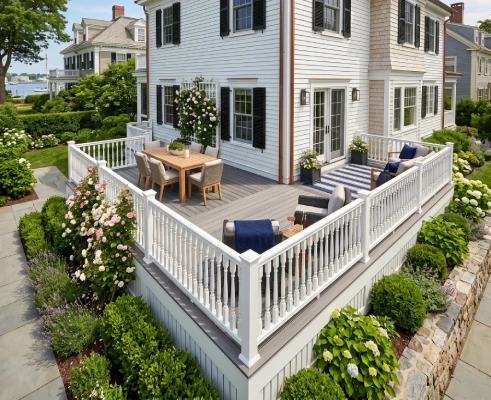
There’s a specific kind of deck that looks unmistakably designed: the railing, the deck boards, the fascia, and the post caps all share the same color family and finish. That’s what composite deck railing delivers. Because manufacturers like Trex, TimberTech, and Fiberon build railing systems color-matched to their decking lines, the finished result reads as a single cohesive structure rather than a deck with a mismatched fence attached.
Decks US installs composite railing across New York and New England, most often paired with composite decking from the same brand — which is also how you keep the manufacturer warranty clean across the whole system.
Why Composite Railing
- Color-matched to your decking
— the visual cohesion is the entire point
- No painting, staining, or sealing
— same maintenance story as composite decking: soap and water
- Won't rot, warp, or splinter
— unlike the wood railing it usually replaces
- Substantial, traditional profile
— a more solid, classic look than slim metal systems
- Warm to the touch and to the eye
— reads closer to wood than aluminum does
- Long manufacturer warranties
— typically aligned with the decking line’s coverage
The Matching Advantage — And Its Trade-Off
Let’s be straight about both sides. The advantage: nothing else gives you that seamless, all-one-material finish, and buying decking and railing from the same brand keeps your warranty coverage simple.
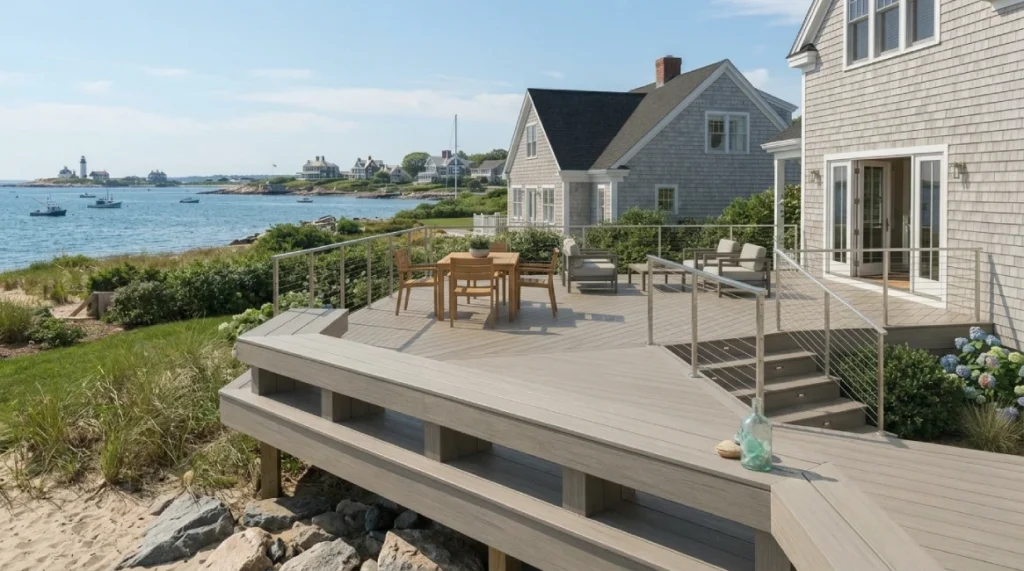
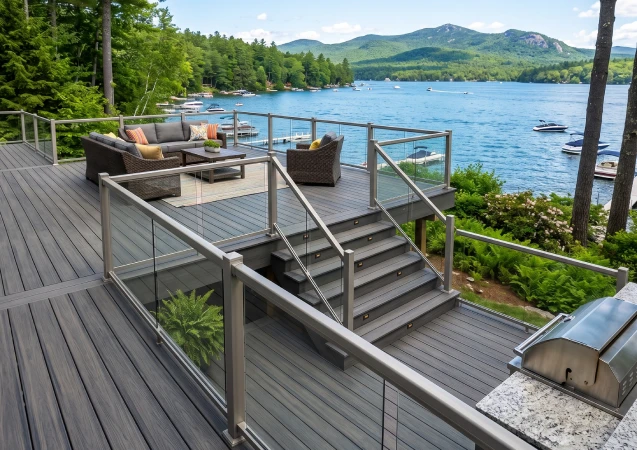
The trade-off: composite balusters are thicker than aluminum or cable, so composite railing blocks more of the view. That’s a real consideration on a deck with something worth looking at. Many of our clients solve it beautifully with a hybrid: composite posts and top rail — keeping the color match and the substantial feel — with slim aluminum balusters or cable infill for the open sightline. It’s one of the strongest looks in 2026 railing design.

Phone number
+978 601 4092
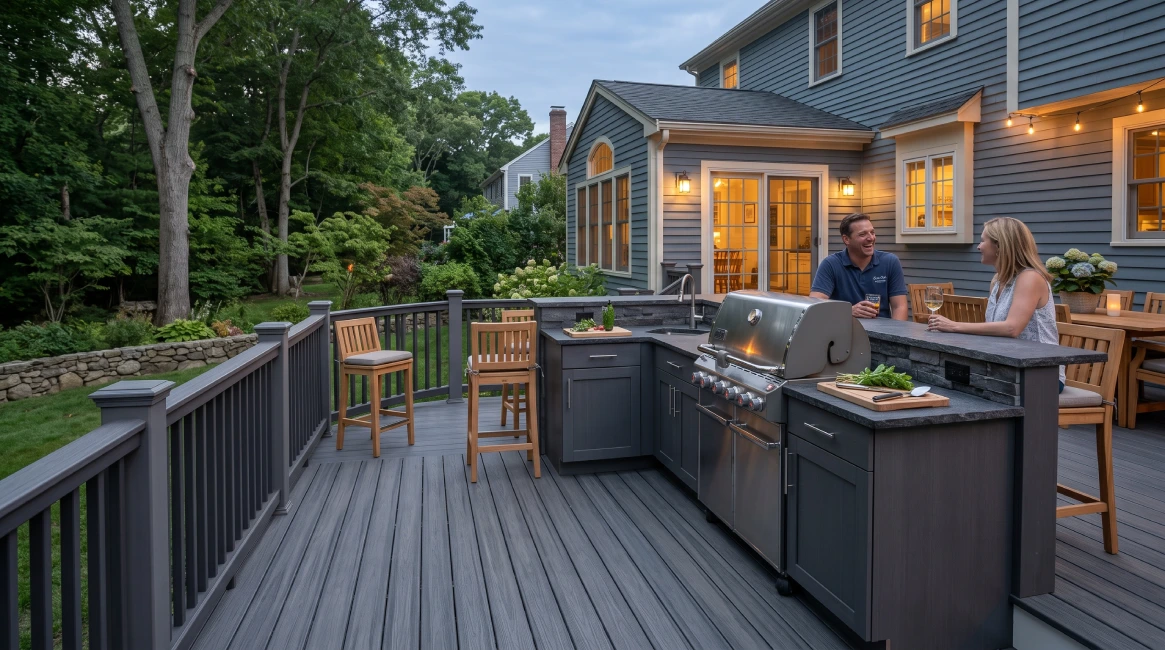
Ways to Build It Your Way
- Composite balusters
— the classic matched look, most substantial profile
- Composite posts + aluminum balusters
— the most popular hybrid: match plus openness
- Composite posts + cable infill
— warm posts, near-invisible sightline
- Drink rails
— a flat composite top surface wide enough to set a glass on, hugely popular on bar-height sections
— post caps and under-rail lighting designed into the system
Composite vs. Aluminum Railing
Composite Railing
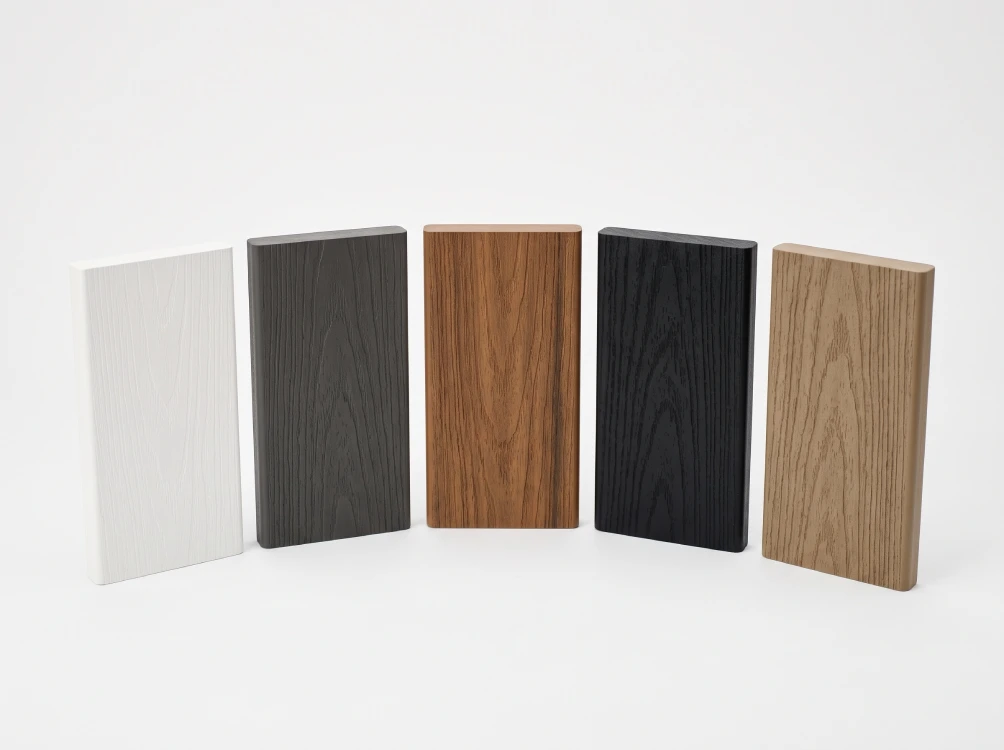
Look: Warm, substantial, matches decking
View: More obstruction (thicker balusters)
Maintenance: Wash only
Color match to deck: Exact (same brand)
Cost: Mid-low to mid
Best for: Cohesive, traditional decks
Aluminum Railing
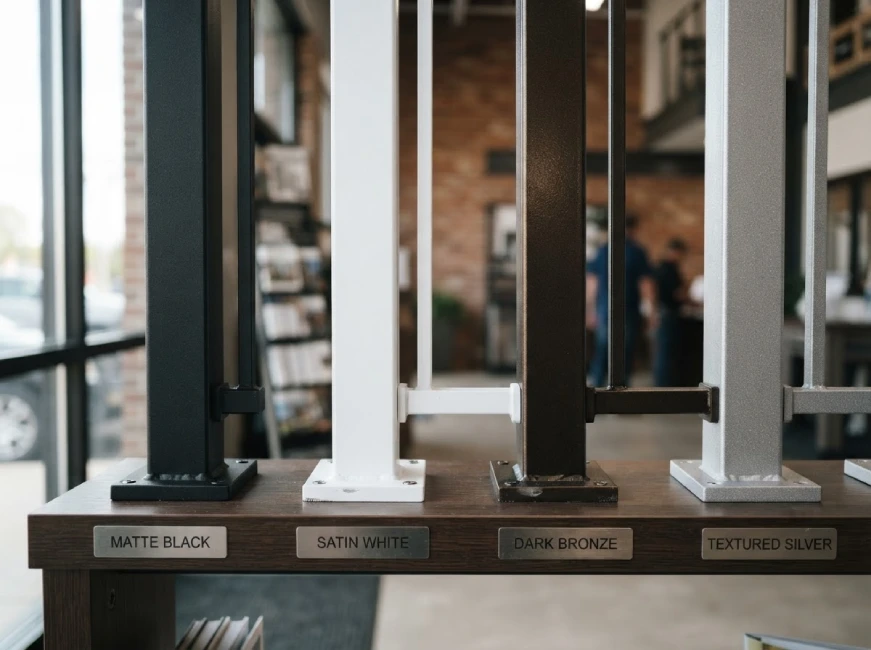
Look: Slim, modern, architectural
View: More open (slim profile)
Maintenance: Wash only
Color match to deck: Coordinating, not matching
Cost: Mid
Best for: Modern decks and better views
Code & Safety
Same rules as every railing we build: generally required above 30 inches of drop, typically 36–42 inches tall, gaps under 4 inches. Composite railing systems are engineered and tested as complete assemblies — posts, rails, balusters, and brackets together — and they only meet their rated loads when installed as a complete system with the manufacturer’s specified hardware and post spacing. Mixing components between brands is where these systems fail inspection.
Installation
Composite railing is heavier than aluminum, so post attachment and blocking matter. We reinforce framing at every post location, follow the manufacturer’s exact post-spacing spec, and account for the thermal expansion composite exhibits across New England’s temperature range. Coastal jobs get stainless hardware as standard.
Cost
Composite railing sits in the lower-to-mid range of installed railing cost — generally below aluminum, well below cable and glass, and above basic wood. Combined with zero refinishing, it’s one of the best-value railing choices available.
·
selected projects
·
selected projects
·
selected projects
·
selected projects
·
selected projects
·
selected projects
·
selected projects
·
selected projects
·
selected projects
·
selected projects
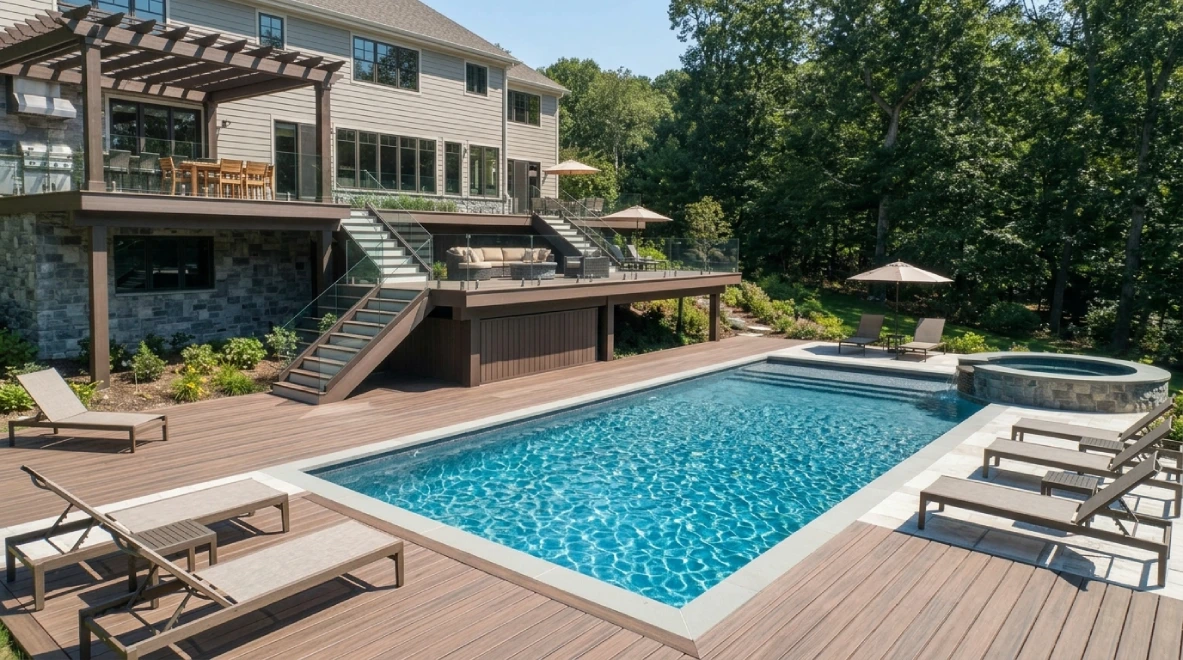
Explore our recent project

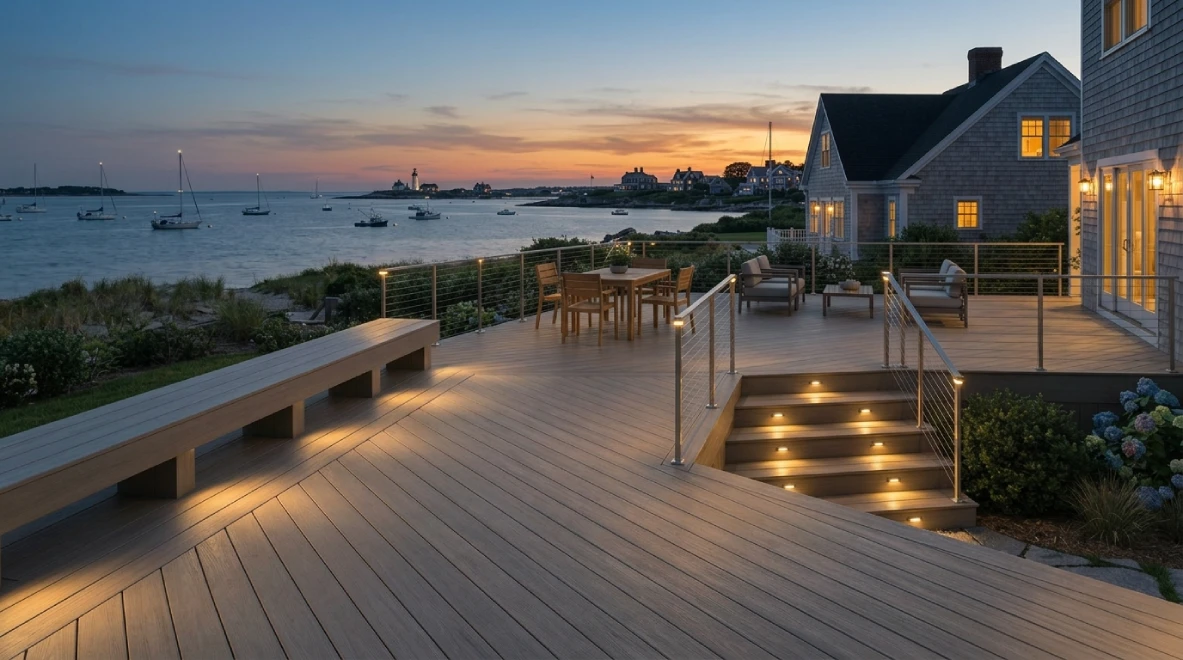
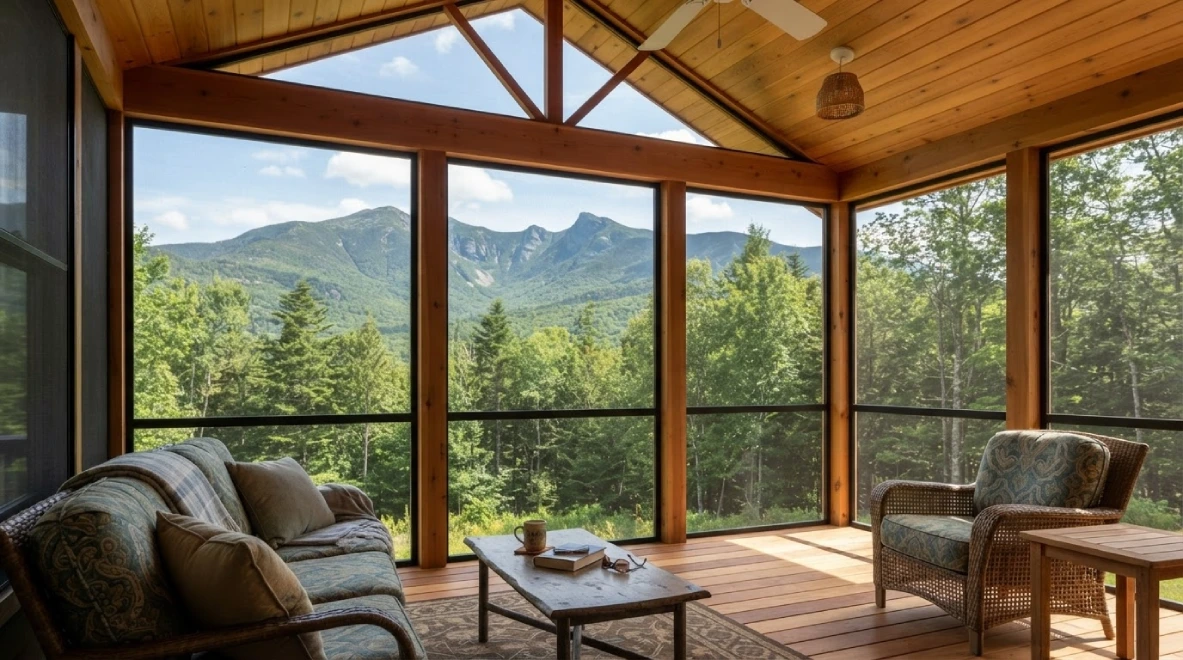
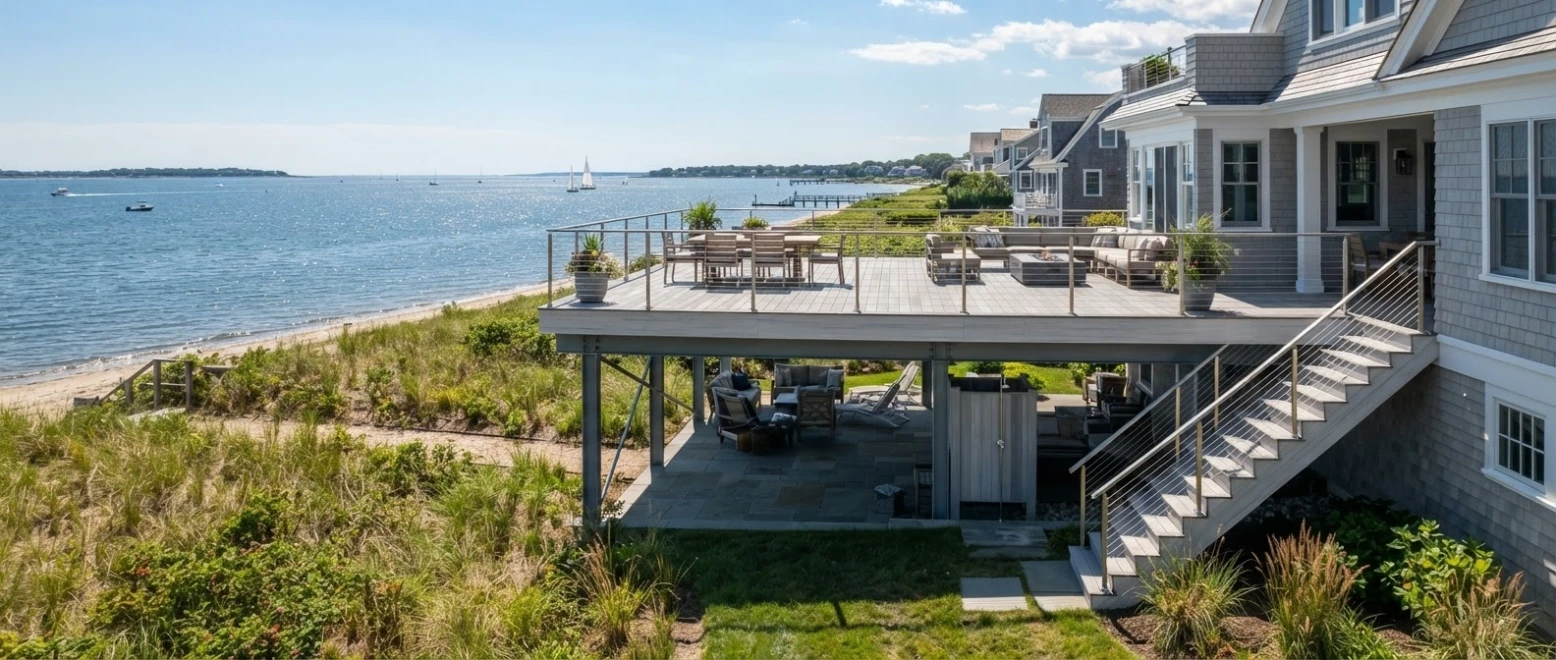
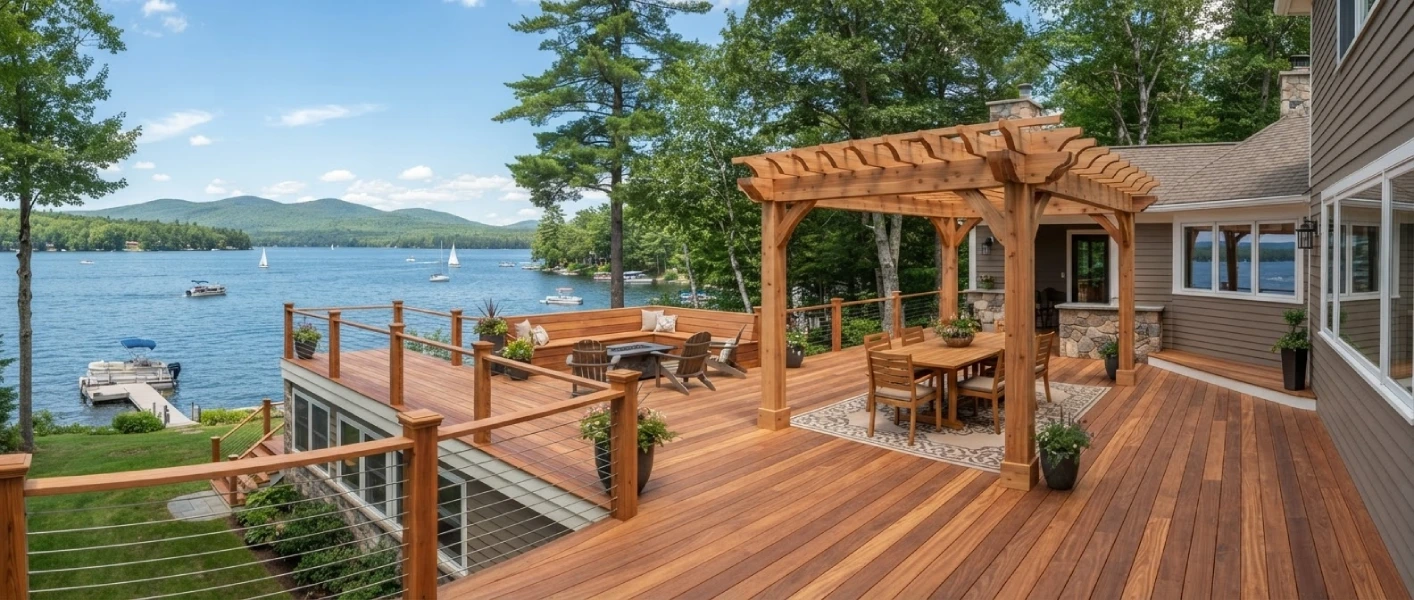
QUICK ENQUIRY
·
QUICK ENQUIRY
·
QUICK ENQUIRY
·
QUICK ENQUIRY
·
QUICK ENQUIRY
·
QUICK ENQUIRY
·
QUICK ENQUIRY
·
QUICK ENQUIRY
·
QUICK ENQUIRY
·
QUICK ENQUIRY
·
We’d love to hear from you
Phone number
+978 601 4092
We’d love to share more with you, please complete this form and our dedicated team will get back to you shortly.
Service Areas
Where We Build
Local crews across New York & New England — find your team and direct line, or enter your ZIP.
Massachusetts & New York
Tinos Inc.
Greater Boston, MetroWest, Cape Cod, Westchester, Hudson Valley & Long Island.
(617) 231-9842MANY
Connecticut, Rhode Island, Vermont & New Hampshire
Hartford, Providence, Newport, Burlington, Manchester, the Seacoast & beyond.
(978) 601-4092CTRIVTNH
ZIP Lookup
Enter your ZIP, meet your team
Your local team & direct number appear instantly.
FAQ — Composite Deck Railing
Is composite railing better than wood railing?
For most homeowners, yes. Composite deck railing won’t rot, warp, or splinter, and it never needs painting, staining, or sealing — the maintenance that eventually causes wood railing to be replaced. It also color-matches composite decking exactly, which wood cannot.
Does composite railing have to match my deck brand?
It doesn’t have to, but there are two good reasons to match: the color coordination is exact when decking and railing come from the same line, and keeping the whole system under one manufacturer keeps warranty coverage simple. We install matched systems from Trex, TimberTech, Fiberon, and Deckorators.
Does composite railing block the view?
More than aluminum, cable, or glass — composite balusters are thicker. If your deck has a view worth preserving, we often recommend a hybrid: composite posts and top rail for the color match, with slim aluminum balusters or cable infill for the open sightline.
Does composite railing fade?
Quality capped composite railing is engineered to resist fading and is typically covered by a long manufacturer fade-and-stain warranty, similar to the decking lines it matches. Some settling of color in the first season is normal and minimal.
What is a drink rail?
A drink rail is a flat, wide composite top surface on the railing — essentially a narrow shelf you can set a glass or a plate on. It’s one of the most requested railing upgrades we install, especially on bar-height sections and around outdoor kitchens.
·
Articles & insights
·
Articles & insights
·
Articles & insights
·
Articles & insights
·
Articles & insights
·
Articles & insights
·
Articles & insights
·
Articles & insights
·
Articles & insights
·
Articles & insights